Back to Blog
What is Energy Deregulation?
Energy deregulation lets you choose your energy supplier instead of defaulting to the utility. Learn how it works, its benefits, and which states allow it.


Copy Link
Energy deregulation is a market structure in which multiple suppliers compete to sell electricity or natural gas, allowing consumers and businesses to choose their supplier rather than buying from a single regulated utility. The local utility still delivers the energy and maintains the grid, while suppliers are able to compete for the supply portion.
How Does Energy Deregulation Work?
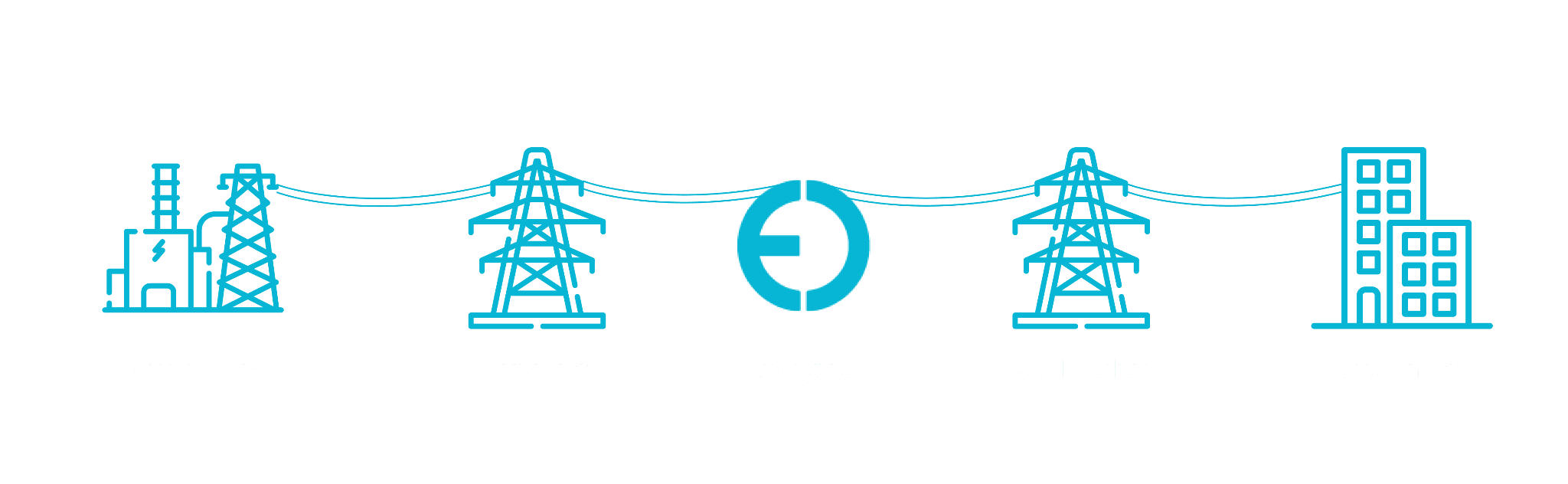
A deregulated market splits your energy service into two parts. Supply, or the actual electricity or gas you use, becomes competitive, so multiple suppliers bid for your business. Delivery (the poles, wires, pipes, and meter) stays with your local utility, which remains regulated and still handles outages and billing infrastructure.
That's why switching suppliers doesn't change your reliability or who fixes a downed line. You're only changing who you buy the energy commodity from, not who delivers it.
Which States Have Energy Deregulation?
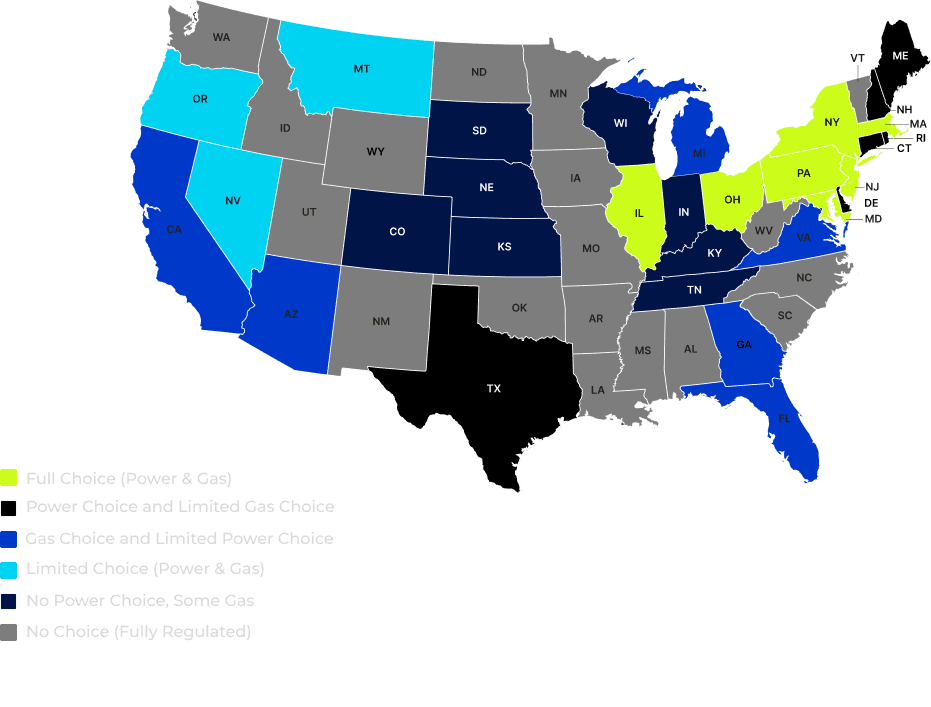
Deregulation varies by state and by energy type. Some states allow it for electricity, some for natural gas, and some for both.
Natural Gas Only
California
Colorado
Wisconsin
Missouri
Indiana
Michigan
Georgia
Florida
Virginia
Electric Only
Texas
Maine
New Hampshire
Delaware
Both
Illinois
New York
Ohio
Pennsylvania
New Jersey
Connecticut
Rhode Island
Massachusetts
Maryland
What Are the Benefits of Energy Deregulation?
Competitive Pricing
Deregulation encourages competition among energy providers, fostering competitive pricing and potentially reducing overall costs for consumers.
Consumer Choice
Consumers can choose from a variety of energy plans, services, and providers, tailoring their choices to meet specific needs and preferences.
Innovation and Green Options
Competition often sparks innovation and a greater focus on sustainability, including eco-friendly supplier options that support a greener future.
Key Takeaway
Energy deregulation lets businesses choose who supplies their electricity or natural gas, while the local utility keeps handling delivery and outages. Whether it's available, and for which fuel type, depends on the state. Commercial and industrial buyers have the most to gain, since they're the customer class most likely to actually shop the competitive market.

Let's Get Started
Get a free portfolio analysis to see what your strategy is actually costing you.